

HVAC maintenance with readings you can compare
HVAC Maintenance Plans without the guesswork
HVAC Maintenance Plans
Cooling-season inspection and performance readings
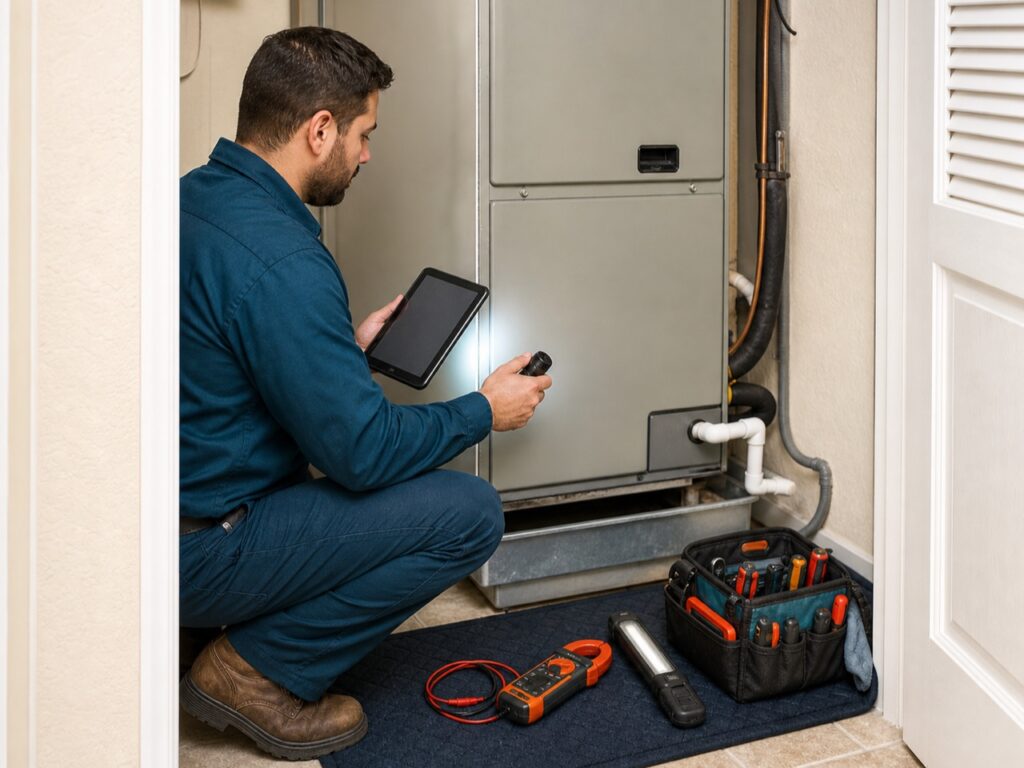
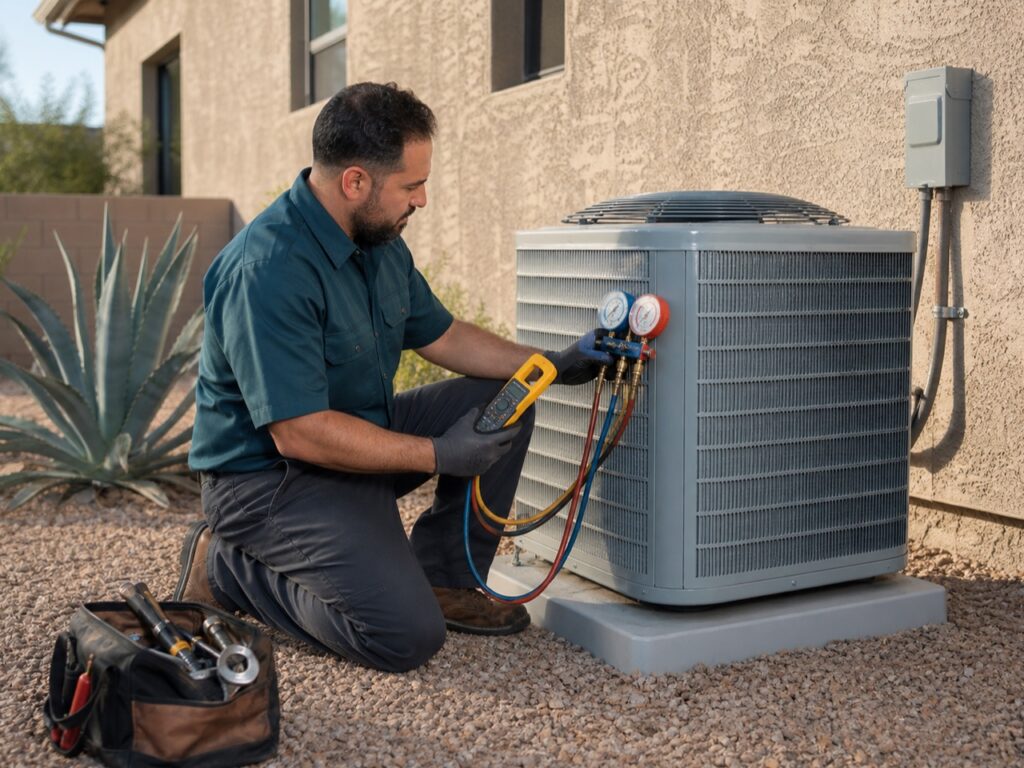
Cooling maintenance begins with the equipment, access, thermostat, filter, and the homeowner's recent comfort or noise observations. The technician inspects visible electrical components and connections, capacitors and contactor condition as applicable, motors, blower and filter condition, indoor and outdoor coils, condensate pan and drain protection, refrigerant-line…
WHAT TO KNOW
Heating checks matched to the equipment
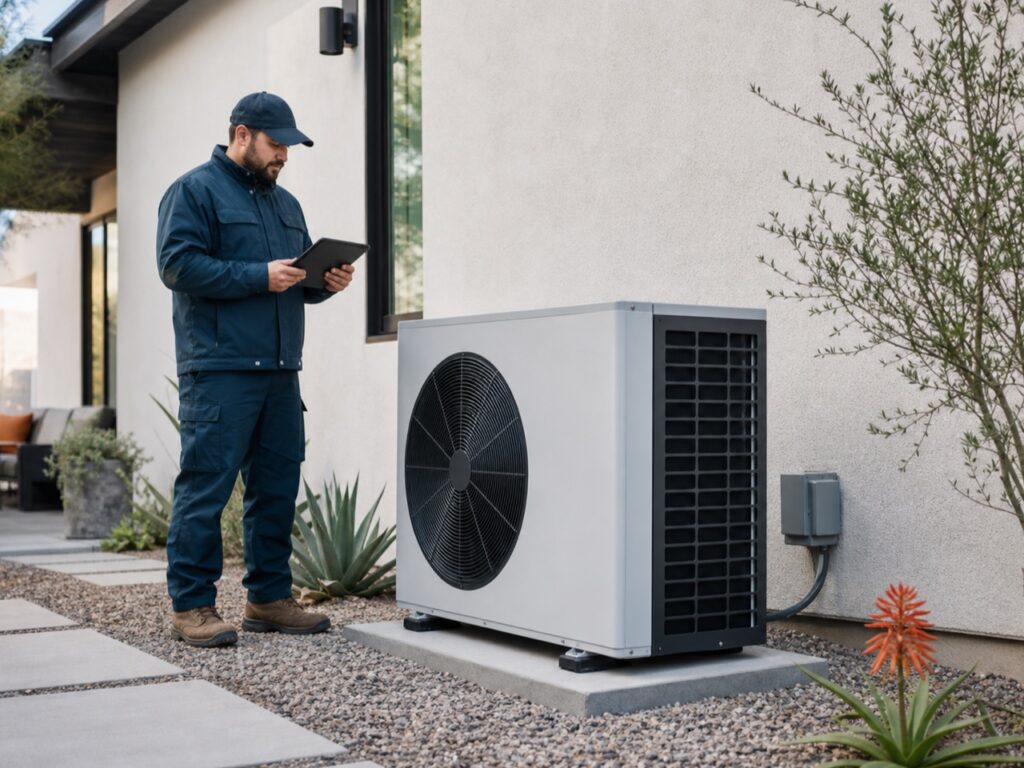
Heating maintenance differs for a gas furnace and an all-electric heat pump. Furnace service follows ignition, draft, venting, flame proving, burner operation, temperature and airflow, limit and rollout controls, blower condition, and condensate components where present. Heat-pump service checks reversing operation, defrost controls and sensors, auxiliary-heat staging, outdoor-coil condition, thermostat configuration, airflow,…
WHAT HAPPENS NEXT
Use the record to spot a developing condition
One reading is a snapshot. Repeated readings taken under known conditions can show whether a capacitor is weakening, a motor is drawing differently, temperature performance is declining, a drain problem is recurring, a filter is loading faster, or a comfort complaint returns after adjustment. Temperra's maintenance path keeps equipment history and visit…
HVAC Maintenance Plans
What a useful maintenance plan covers
Homeowner checks between service visits
Keep the correct filter installed in the airflow direction shown on the rack and inspect it often enough for the home, pets, dust, and fan runtime. Keep supply registers and returns open and unobstructed unless a technician has documented a balancing plan. Do not store items against the outdoor unit or indoor equipment, and keep condensate terminations visible where practical. Watch for new noise, odor, water, ice, repeated thermostat alerts, unusual auxiliary-heat use, or a breaker trip. Do not open service panels, wash electrical compartments, handle refrigerant, alter gas or venting components, or pour unapproved chemicals into the drain. Bring new observations to the next visit or request repair when operation is abnormal.
Who benefits from a documented maintenance plan
A plan is useful for homeowners who want scheduled cooling and heating checks, one place for equipment history, and regular review of filters, drainage, controls, electrical condition, airflow, and system performance. It can be especially useful for homes with multiple systems, heat pumps that operate in both seasons, roof or attic equipment that is difficult to observe, recurring condensate concerns, high filtration needs, or a history of intermittent faults. The plan does not replace repair diagnosis, promise failure-free operation, or make every optional accessory necessary. Ask what each visit covers, which readings are recorded, how repair findings are presented, and how the service history is retained.
HVAC Maintenance Plans: common questions
It should identify the equipment, operating mode, observed condition, maintenance completed, relevant electrical, temperature, airflow, drain, control, and refrigerant-side findings, any approved repair, and items left for monitoring.
No. Components can fail after a normal inspection. Maintenance can identify visible wear, abnormal readings, blocked airflow, drainage trouble, and operating faults, while creating a record that makes future changes easier to evaluate.
Yes. A heat pump adds reversing, defrost, auxiliary-heat, and refrigerant-cycle checks in heating mode. A gas furnace requires ignition, flame, venting, combustion-related, limit, and safety-control observations appropriate to that equipment.
Not without an airflow plan. Closing registers can change system pressure and reduce airflow through the equipment. Discuss room comfort and balancing with a technician rather than using register closure as the default fix.