Backup power sized for the circuits your property needs
Standby Generators planned around the property
Standby Generator Planning
Decide what must remain available during an outage
Generator size should follow a written load priority, not a vague request to run everything. Refrigeration, selected lighting, communications, medical equipment, well or sump systems, heating controls, cooling, cooking, garage access, security, and home-office equipment may not carry the same importance for every household. Some loads…
WHAT TO KNOW
Match generator output, transfer design, and service condition
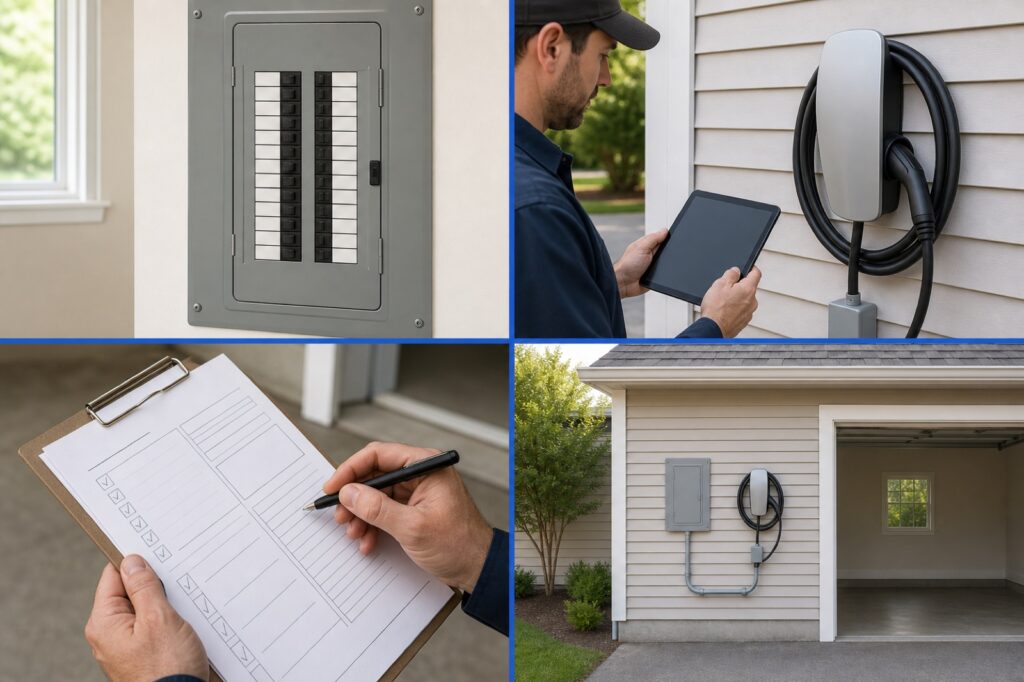
The electrical plan considers expected running and starting loads, generator output, transfer-equipment rating and location, service configuration, panel arrangement, grounding and bonding, and any approved load-shedding controls. It also accounts for the equipment that should not run together during backup operation. Arcstead reviews the existing service and identifies panel or circuit work…
WHAT HAPPENS NEXT
Coordinate placement, fuel, exhaust clearance, and access
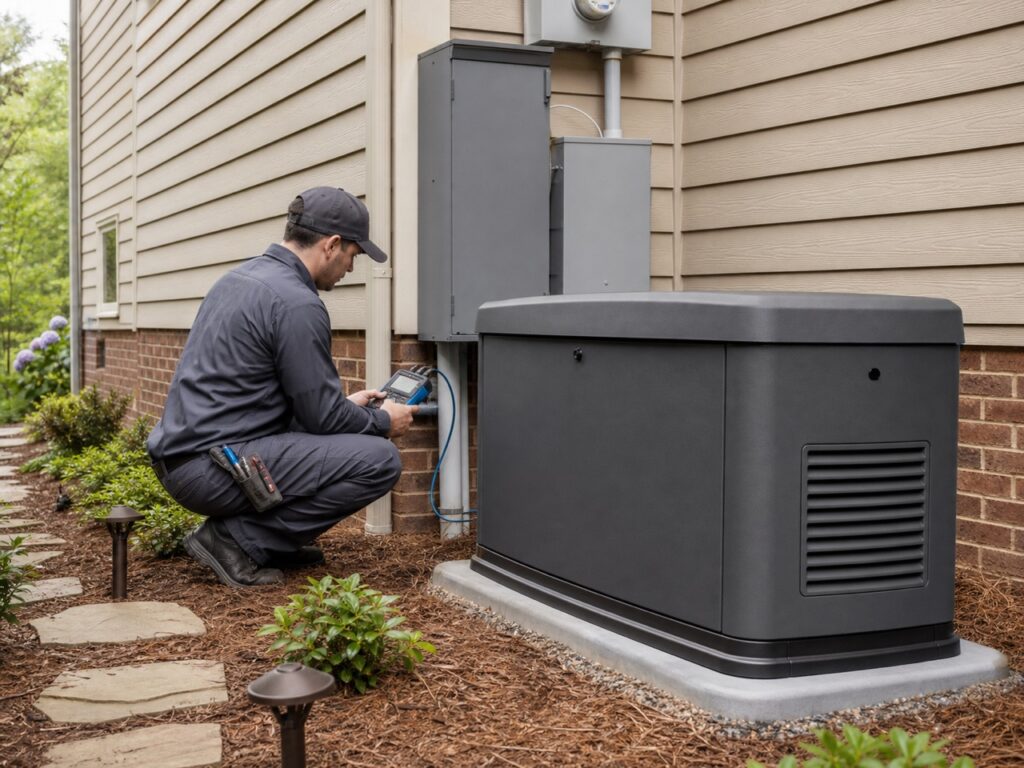
Standby equipment needs an approved site with space for operation and service, a practical electrical route, appropriate separation from building openings and site features, and protection from water or impact conditions. Fuel piping and fuel-capacity work belongs in the coordinated scope with the qualified trade responsible for it. Arcstead handles the electrical…

Standby Generator Planning
Choose the loads before sizing the generator
Use listed transfer equipment instead of improvised connections
A permanent standby system uses transfer equipment designed to isolate the property from the utility source while the generator supplies the selected load. That function protects utility workers, occupants, and equipment; it is not a place for an improvised cord, modified receptacle, or manual panel work by an occupant. Arcstead installs the approved electrical scope, labels the normal and standby sources, and coordinates permits and inspections on qualifying projects. The owner receives operating guidance for the installed system but should not bypass controls, open energized enclosures, or alter the transfer arrangement. Portable-generator connections are a separate design and are not created by repurposing a dryer or range outlet.
Commission the system and keep maintenance on the calendar
Project closeout confirms the electrical installation, transfer operation, labels, controls, and communication between the generator and the selected loads. The equipment and fuel-system providers complete their required startup checks, and the owner receives the applicable manuals, inspection status, and maintenance information. Arcstead walks through which circuits are backed up, what load-management behavior to expect, and who is responsible for future engine, battery, fuel, and electrical service. Exercise cycles do not replace scheduled maintenance or an operational check after a prolonged outage. Any fault indicator, unusual sound, fuel odor, physical damage, or failure to transfer should be handled by the appropriate service provider rather than bypassed by the occupant.
Standby Generator Planning: common questions
That depends on essential loads, desired convenience, generator size, fuel system, service arrangement, load-management options, and budget. A written priority list makes the two designs easier to compare.
Fuel piping, capacity verification, and related fuel-system work must be assigned to the qualified trade responsible for it. Arcstead coordinates the electrical scope with that contractor and the equipment provider.
Equipment compatibility depends on the generator, controls, power quality, connected loads, and manufacturer requirements. Identify sensitive or mission-critical equipment during planning so it can be addressed in the design discussion.
Yes. The engine, battery, fuel system, controls, and electrical components need the maintenance and checks specified for the installed equipment. The closeout should identify responsibilities and the appropriate service contacts.