Home charging planned around your panel and parking
EV Charger Installation planned around the property
EV Charger Installation
Choose a charging result before choosing circuit size
The largest available charger is not automatically the best fit for every home. Daily mileage, the hours the vehicle is parked, the vehicle's onboard charging limit, future vehicles, utility rate plans, and the capacity available at the property all shape the decision. A driver who replaces…
WHAT TO KNOW
Connect the charger to the actual service capacity
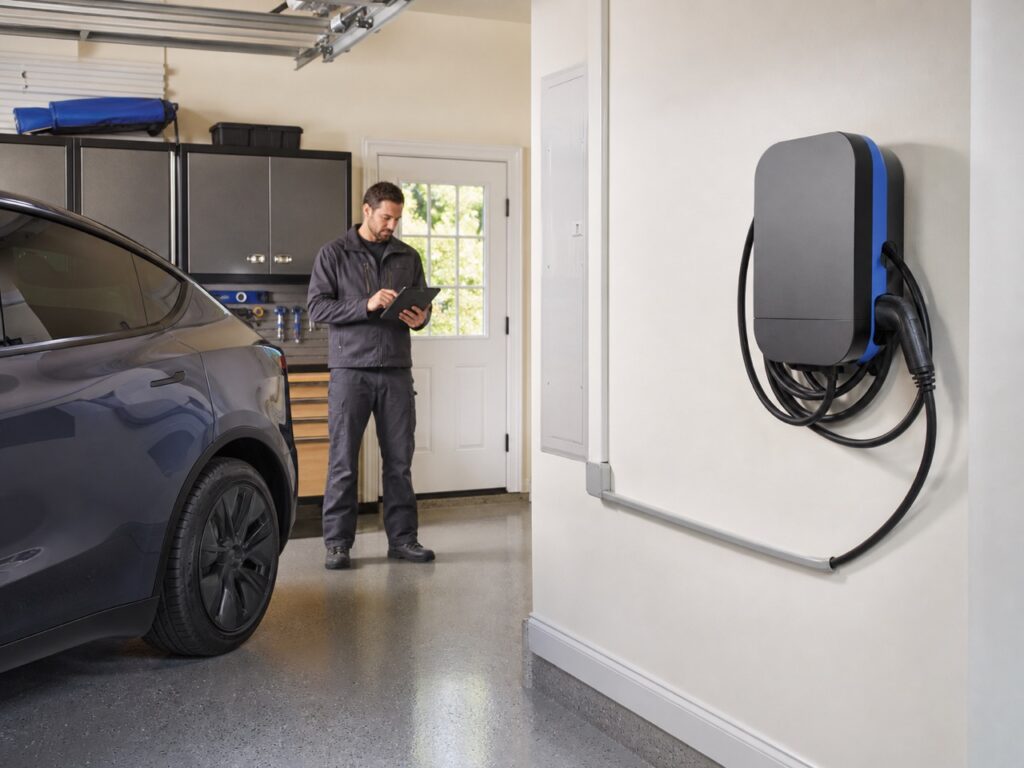
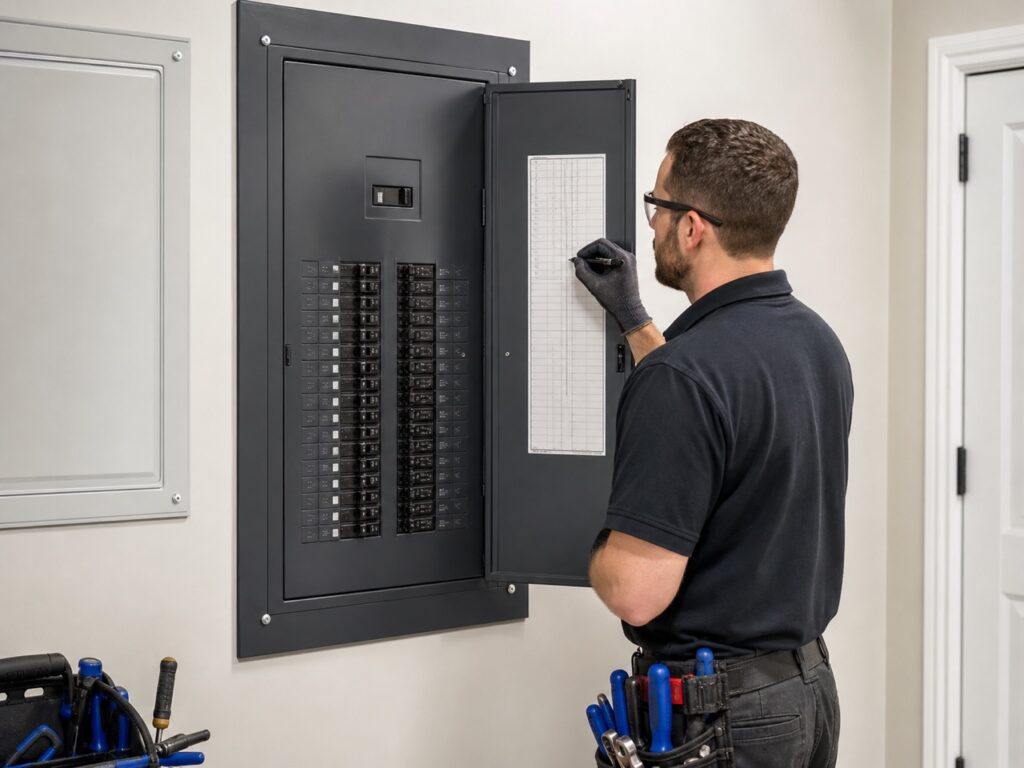
EV charging is a sustained electrical load, so charger planning must include more than finding an unused breaker position. Arcstead reviews the service and panel ratings, major existing loads, panel condition, circuit space, grounding and bonding, and the route to the parking area. The result may support the requested charger as planned,…
WHAT HAPPENS NEXT
Place the equipment where the cable works safely
The installation plan accounts for where the vehicle's charge port sits when parked, how the cable reaches it, whether people cross the cable path, and how the equipment is protected from impact. The circuit route from the panel may pass through a garage, crawlspace, attic, finished room, exterior wall, or trench, and…
EV Charger Installation
Plan the circuit before choosing the charger location
Carry the design through permitting and installation
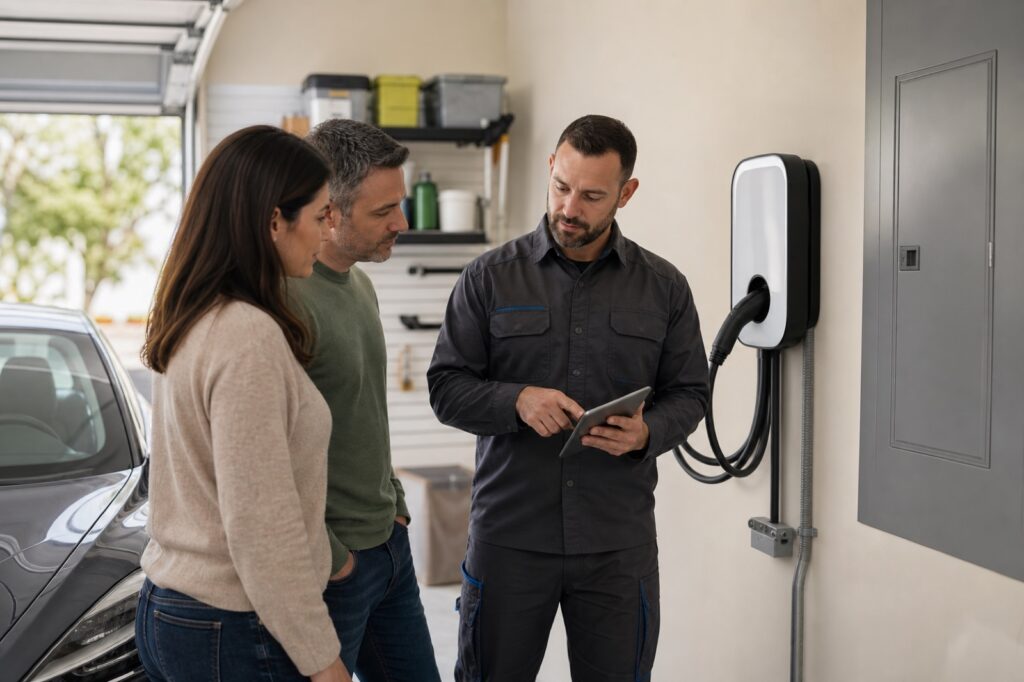
Permit requirements and submittal details are set by the local jurisdiction for the property. On qualifying Arcstead projects, permit coordination and inspection scheduling are included in the electrical scope. Before installation, the project record identifies the charger, circuit design, connection method, route, panel work, equipment location, and any finish repair or site work by others. The crew installs the approved circuit and equipment without treating the charger as a general-purpose receptacle or relying on an extension arrangement. When another contractor supplies the charger, Arcstead confirms the exact model and installation requirements before the appointment so incompatible or incomplete equipment does not control the day of work.
Verify charging and leave the circuit labeled
At closeout, the electrician verifies the installed equipment powers up and communicates any setup that belongs to the charger or vehicle. The circuit and disconnecting equipment are identified, the panel directory is updated, and the owner receives the applicable inspection status and equipment documents. If adjustable charging settings are part of an approved load-management design, the intended configuration is recorded rather than left as an unexplained software choice. Arcstead also reviews cable storage, normal shutdown or disconnect information supplied by the manufacturer, and who to contact if the charger reports a fault. Every completed project includes the labeled-circuit review and owner walkthrough described in Arcstead's closeout standard.
EV Charger Installation: common questions
Not always. The answer depends on service capacity, existing loads, panel condition, charger size, charging schedule, and whether an approved load-management option fits the property and equipment.
You can, but an assessment first can prevent a mismatch between the charger, available capacity, connection method, circuit route, and parking layout. If you already own equipment, provide the exact model information.
Many listed chargers are designed for outdoor use, but the selected equipment, fittings, mounting surface, exposure, cable path, impact protection, and local requirements must all support that location.
Arcstead includes permit coordination and inspection scheduling on qualifying projects. The applicable process depends on the property jurisdiction and final scope, so it is confirmed during planning.